
SustainabilityEvent
29/09/20262 mins read
Your materiality assessment isn’t working. Here’s why.

Hannah Nascimento
Sustainability DirectorMost companies have done a materiality assessment. Surveys, scoring, a matrix, a report. Job done. But doing the exercise and getting value from it are two very different things.
At our recent webinar, Materiality, made useful, Lucy Smail (Client Services Director) and I unpacked why so many assessments look complete on paper but land nowhere near strategy. Watch the full recording here, or read on for the highlights.
The problem isn’t methodology. It’s what happens around it.
I see teams pouring effort into the process – building long lists, structuring the scoring, running stakeholder engagement – and have nothing left for the bit that actually matters: deciding what it all means. The result is a matrix nobody quite knows what to do with, and often a list of 20-plus “material” topics that hasn’t prioritised anything at all.
“The gap between a useful assessment and a box-ticking one rarely comes down to methodology. It comes down to the quality of the conversation happening throughout.”
A good assessment does three things at once
Strategically useful. Defensible. Decision-driving. Most manage one, maybe two and quietly lose the rest along the way. All three, together, is the bar.
Four shifts that actually move the needle
- Make it cross-functional. Materiality can’t sit with sustainability alone. Finance, risk and strategy need to be in the room to agree thresholds and pressure-test scoring — it changes the output and how credible it lands.
- Use judgment, not just scoring. ESRS explicitly allows it. If something obviously clears the bar, apply the “reasonable person” test, document your reasoning, and move on. Save the heavy scoring for the genuinely borderline calls.
- Engage stakeholders on purpose, not by default. A thousand people scoring topics they have no context on isn’t rigour. Go to stakeholders for the questions you actually need answered.
- Build the strategic review in from the start = not as a bolt-on you never get round to. Make it the final, planned step, not the thing you or your team are too tired for by the end.
The five-question test
Want to know if your last assessment actually worked? Ask:
- Could an exec name your top three material topics?
- Were thresholds agreed before the findings came in?
- Did finance, risk or strategy help shape it — or did sustainability run it alone?
- Can you show the audit trail without rebuilding it?
- Has it changed a single real decision in the last year?
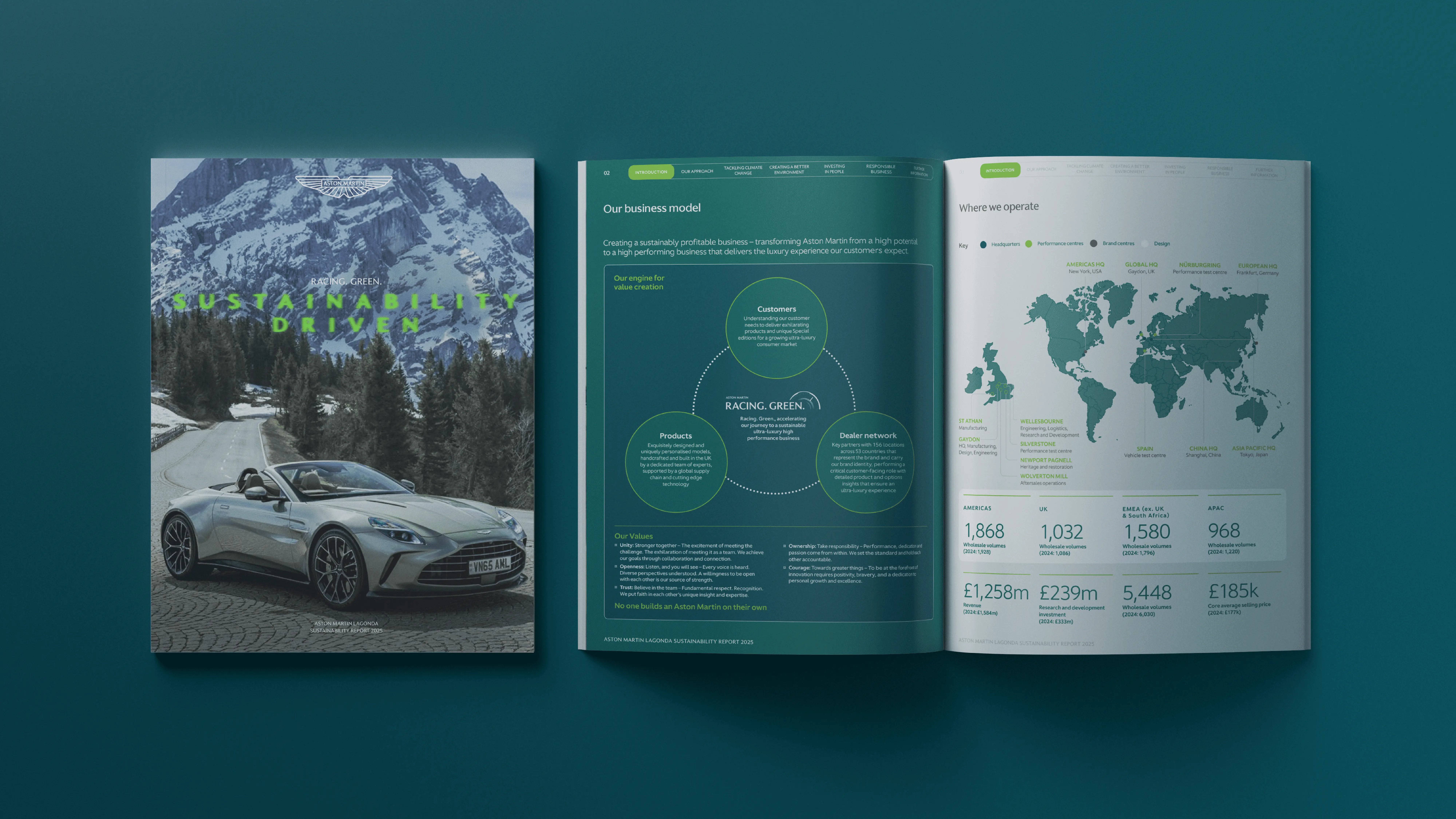
I pointed to our client, Aston Martin Lagonda, as an example of this done well – transparent methodology, clear cross-functional ownership, and every material topic mapped straight to a strategic pillar. Worth a look if you want to see the theory in practice.
Where this leaves you
If your materiality work feels complete on paper but unclear in practice, that’s where we step in. We help clients with refreshes, full resets, strategy linkage and reporting realignment – whatever stage you’re at.
If any of this struck a chord, or you’re already weighing up a refresh or reset, let’s talk it through. Just hit reply. Or catch the recording again here if you want to revisit any of it.





Loading...