In Conversation: Matt Juden-Bloomfield, edie 100 Sustainability Leader

Hannah Nascimento
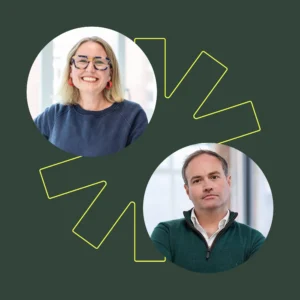
Sustainability DirectorFollowing his nomination for the edie 100, recognising the UK’s most impactful sustainability leaders – our Sustainability Director, Hannah Nascimento, sat down with Lidl GB’s Head of Sustainability, Matthew Juden-Bloomfield.
Together, they explore what the nomination means, how Lidl is embedding sustainability into the core of its business, and why the future of sustainability is about integration, not intention.
Key takeaways
Building on our work together on Lidl’s Beyond the Basket Sustainability Report, the conversation explores Matt’s journey into sustainability, how he’s driving change across the business, and where he sees the function evolving next.
Sustainability isn’t a separate job — it’s already happening across the business
One of Matt’s biggest focuses has been shifting the perception that sustainability is “extra” work.
At Lidl, many sustainability outcomes already exist within day-to-day operations — from reducing waste to optimising energy use — the challenge is helping teams recognise and build on what they’re already doing.
Making sustainability tangible is what drives engagement
Rather than complex frameworks, Matt emphasises simplicity and relevance.
Breaking sustainability down into clear, digestible actions and facts — from food donation rules to energy usage — helps colleagues understand what they can do and why it matters.
No two days look the same — and that’s the point
From board-level strategy discussions to community engagement and school workshops, Matt’s role spans the full spectrum of the business.
Sustainability, in practice, is as much about people and influence as it is about data and targets.
The future is integration — not separate sustainability strategies
Matt compares sustainability today to digital in the early 2000s — currently a specialist function, but moving towards full integration.
The direction of travel is clear:
Sustainability embedded into commercial strategy
Linked to performance and accountability
Owned at the highest levels of the business
Sustainability and commercial success are not in conflict
A key misconception Matt challenges is that sustainability means restricting business. Instead, he sees his role as helping businesses do what they already do — just better, balancing commercial performance with positive impact across stakeholders and the planet.
Watch the full conversation
Matthew Juden on embedding sustainability at scale — and why progress often starts with what’s already there.
Visit the case study
If you’d like to learn more about our work with Lidl or the Beyond the Basket report, get in touch.